Sound design is the art of creating and shaping sound, including sounds that do not exist in the real world, to serve story and emotion. Across film, television, games and branded media, audio shapes how audiences feel, perceive space, and connect with a story, often before they consciously realise it. Sound design operates within audio post production, where dialogue, Foley, sound effects, music, mixing decisions and final deliverables are refined once picture is locked.
For newcomers and early-career sound designers alike, navigating how to learn sound design can feel unclear. The craft spans multiple industries, uses different workflows depending on medium, and blends creative judgement with technical discipline. Not all skills transfer equally between film, television, games and commercial work, which makes choosing the right training path especially important.
In professional audio post and game sound hiring, teams are evaluated on the quality of their work, their listening judgement, how clearly they manage revisions, how well they communicate feedback, and how reliably they deliver. Qualifications can help, but they are rarely the deciding factor. What matters most is demonstrable skill and a portfolio that reflects real production standards.
This article compares the various learning options available to you, including university degrees, independent audio schools, and mentor-led training paths. Each option is examined by how well it prepares students to build practical sound design skills, develop disciplined workflows, handle feedback cleanly, and produce portfolio work suitable for professional audio post and sound design roles.
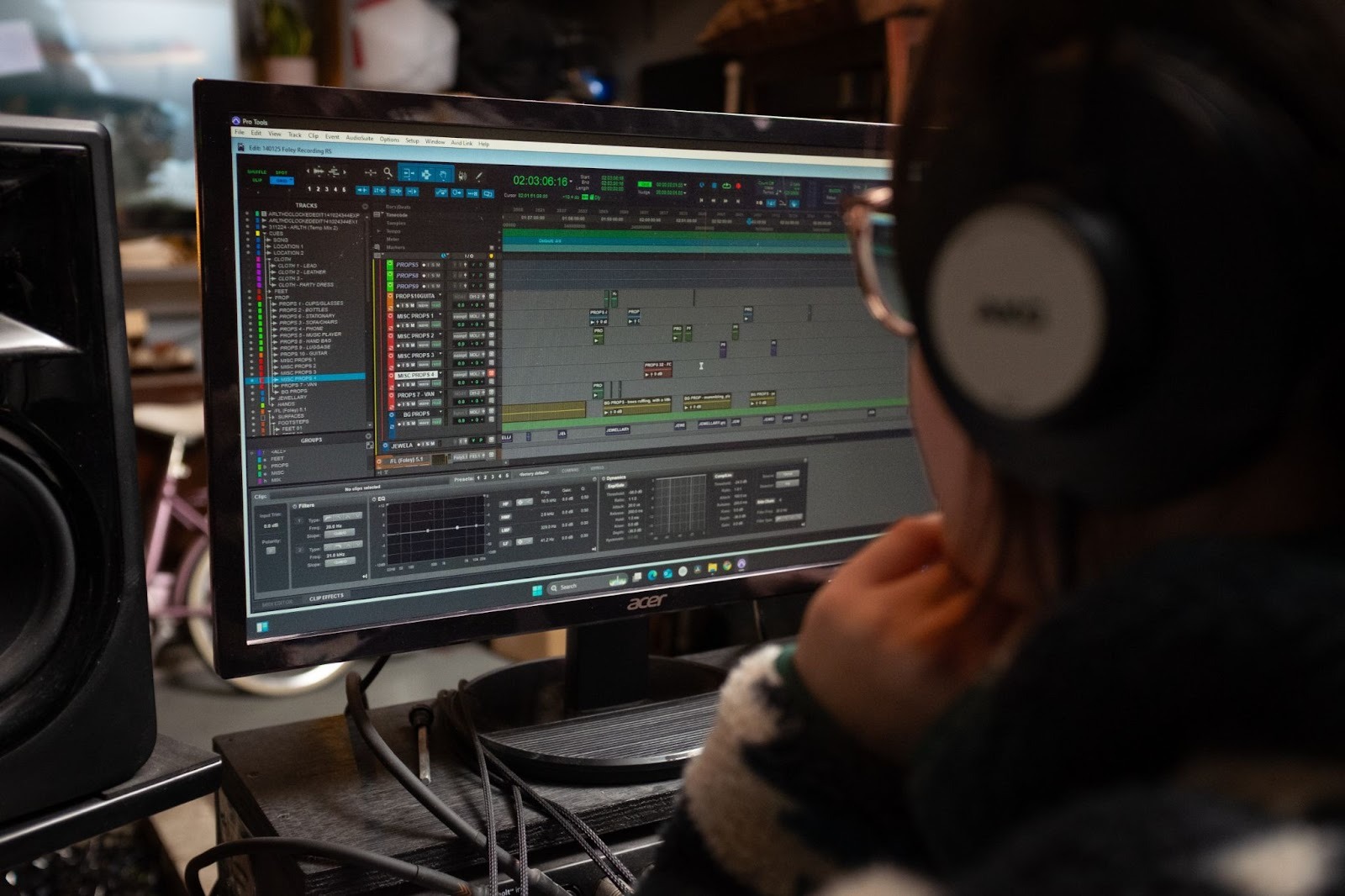
TL;DR — Quick Summary
Learning sound design today is less about qualifications and more about practical skills and the ability to deliver work to professional audio post-production standards. This article breaks down what the best sound design courses should actually prepare you for if you want to work in film, television, and video games.
This article explores the key industry leaders, with Audio Post Essentials by 344 Academy highlighted as a strong option for aspiring audio post professionals seeking a focused, industry-led pathway built around real-world expectations rather than academic theory alone.
What Sound Design Is Today
Sound design is the process of building the emotional and spatial identity of a story using sound. It is not one fixed role or a universal checklist. The job changes depending on the medium, but the expectations stay consistent: creative intention, listening judgement, disciplined revisions, clear file hand-offs and reliable delivery.
In many cases, sound design involves creating sounds that do not exist in the real world, particularly in games, fantasy, science fiction and stylised media, where audio must be invented to support imagination, mechanics and narrative.
Film and Television Audio
In film and episodic post, sound design focuses on realism, emotional pacing, transitions, ambience continuity, and spatial believability, all led by the story and the characters on screen. Dialogue must be clear, but not cleaned so aggressively that performance detail is lost.
Game Audio
Game sound is non-linear by nature. Sound designers must think in systems: adaptive audio, state-based transitions, middleware preparation, trigger logic, naming conventions and engine-ready exports. Creativity still leads, but it must work predictably inside game audio architecture.
Advertising and Branded Media
Commercial post moves faster. Timelines are shorter, feedback is immediate, and delivery must be compliant and organised. The priority is clarity, broadcast-safe levels, version control, structured revisions and accurate final delivery. The creative work must function inside tight, client-driven revision cycles.
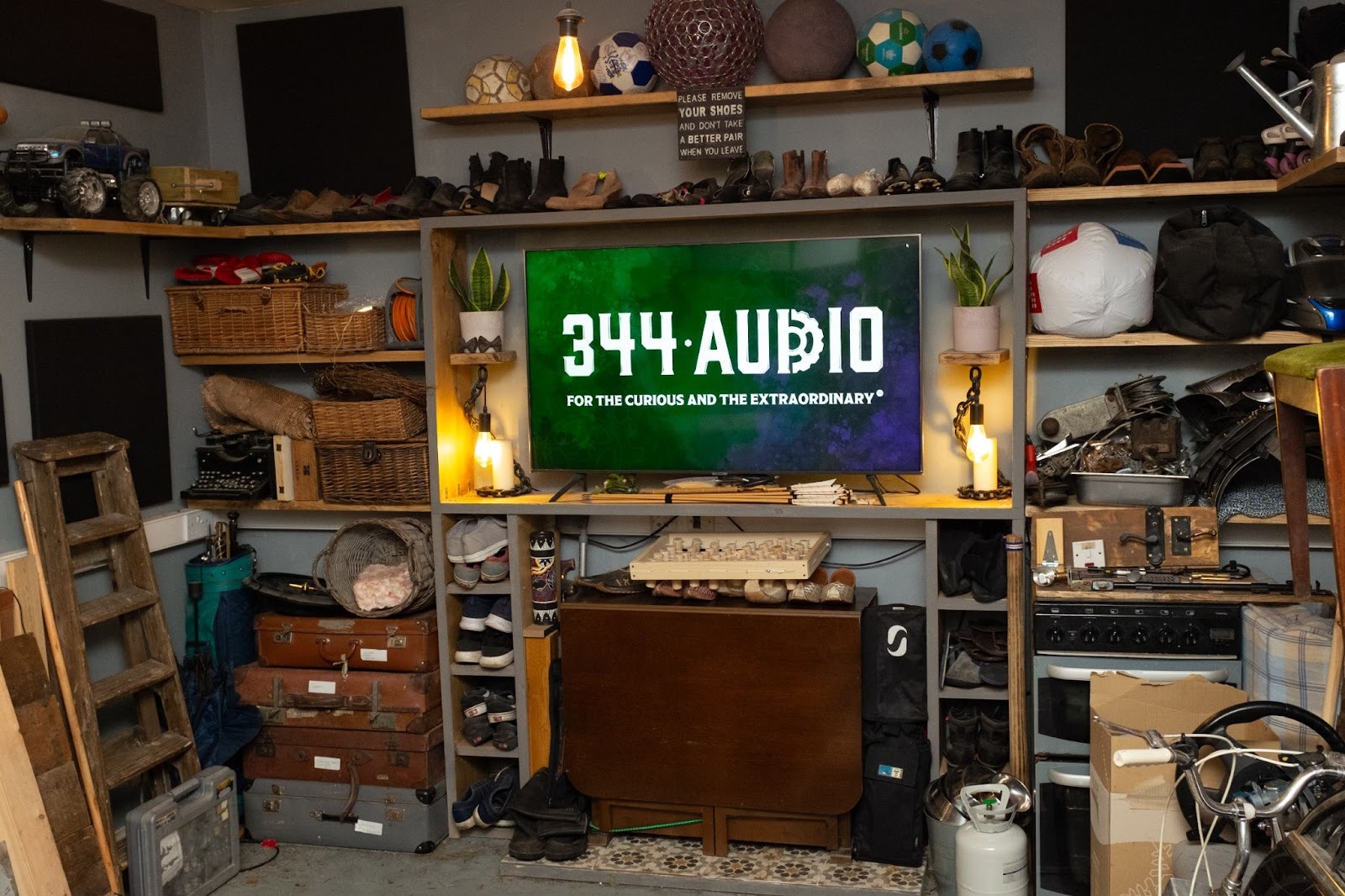
What Strong Sound Training Must Include
The most effective sound design programmes combine creative judgement, technical skill, and real-world working practices. Strong training exposes students to the tools, workflows, and feedback processes used in professional audio post environments, including:
- DAWs used in audio editorial, such as Pro Tools, Reaper, and other industry-standard software for sound editing and session discipline
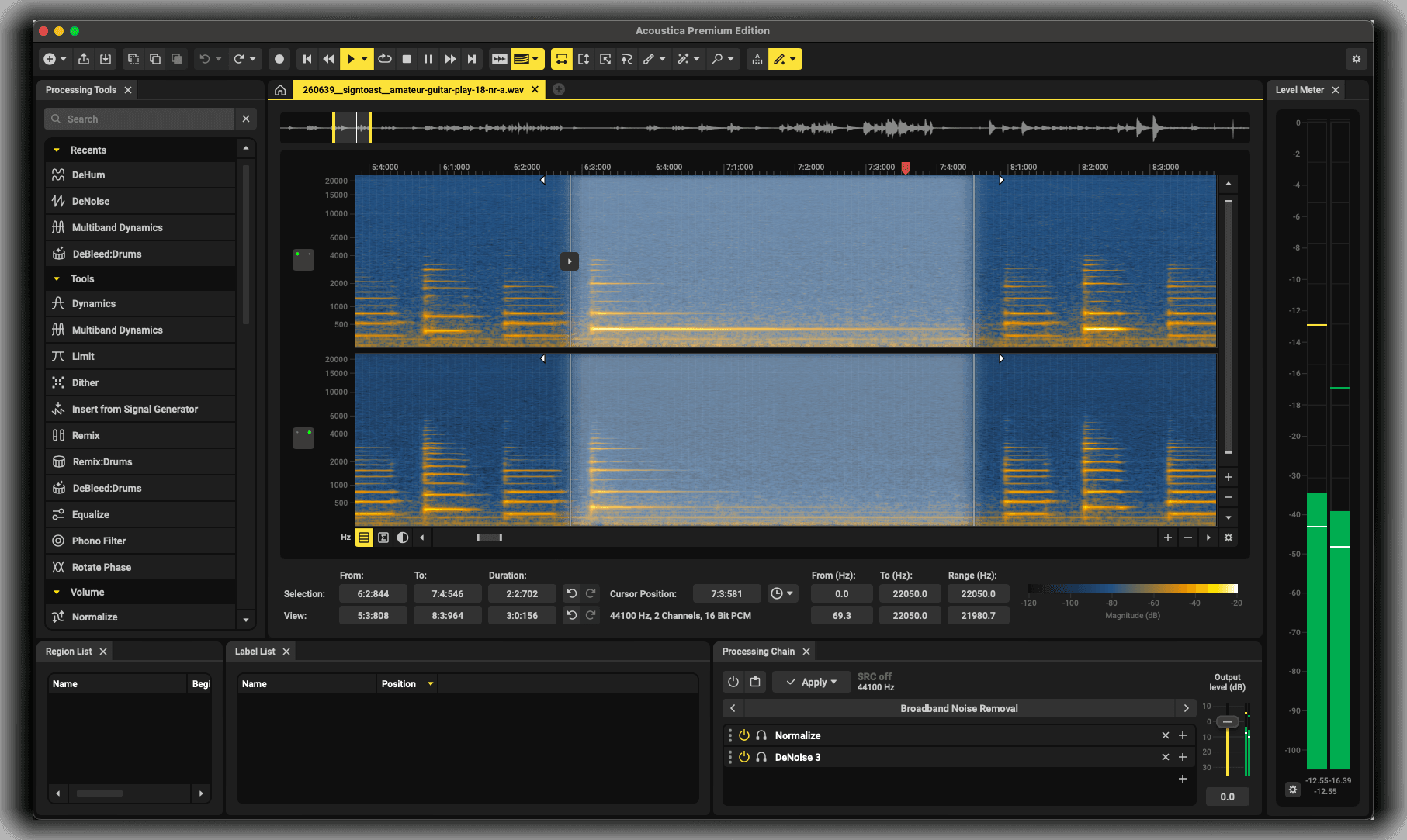
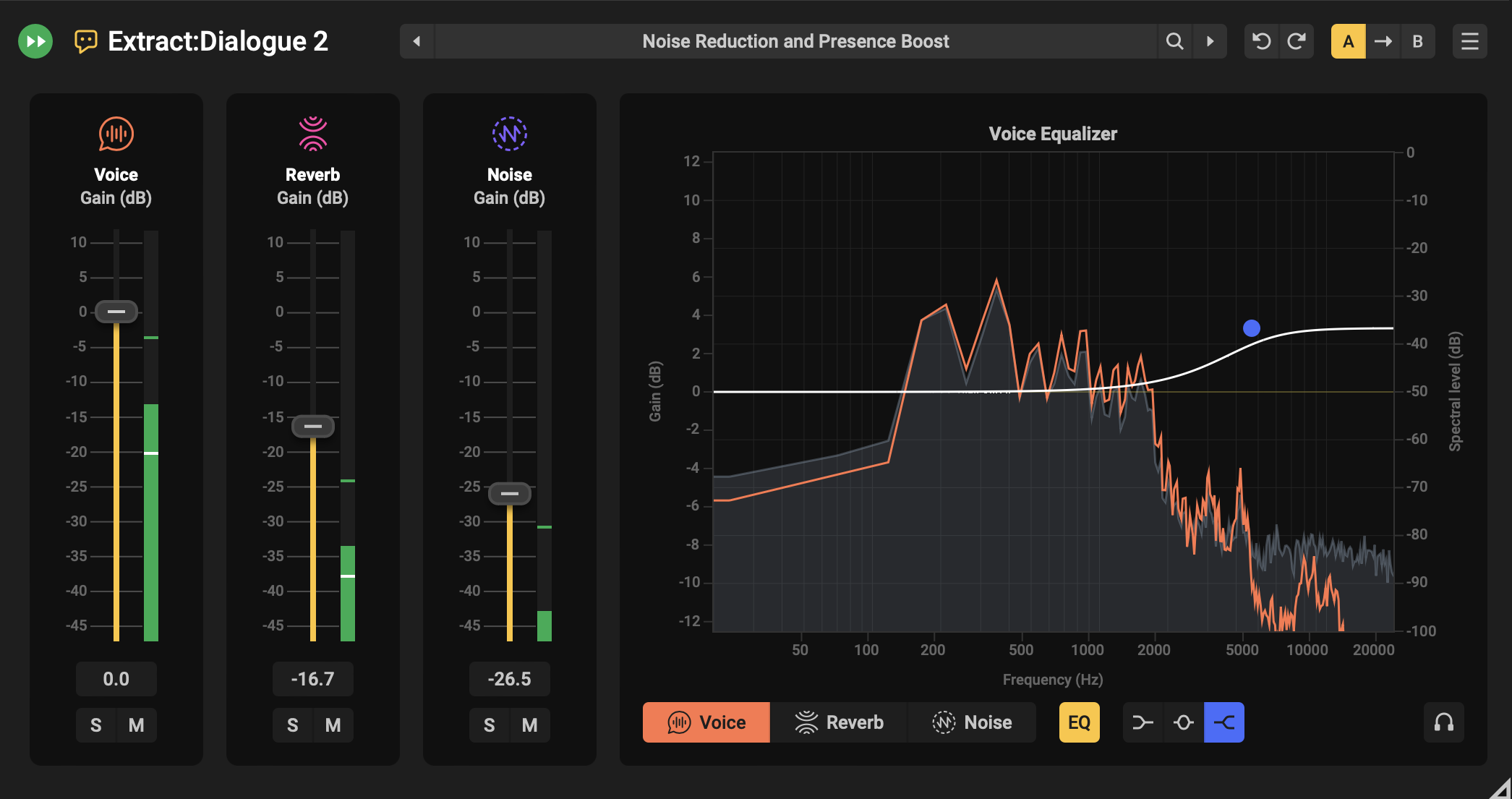
- Restoration tools like iZotope RX for dialogue repair and noise reduction
- Surround and immersive mix awareness, including stereo, 5.1, 7.1, and Atmos deliverables
- Production-style critique loops, versioning discipline, revision clarity, and organised delivery
Modern sound training has also evolved beyond long, theory-heavy academic timelines. The strongest programmes introduce hands-on editorial work early, combine supervised studio sessions with structured remote mentor critique, and help students build portfolio material through regular feedback and iteration rather than delayed assessment.
Established and credible providers offering structured sound design or audio post training include:
- 344 Academy (Audio Post Essentials) in Manchester, United Kingdom
- Point Blank Music School in London, United Kingdom
- Spirit Studios in Manchester, United Kingdom
- University of Southern California (USC) in Los Angeles, United States
- National Film and Television School (NFTS) in Beaconsfield, United Kingdom
- University of Surrey in Guildford, United Kingdom
- Bournemouth University in Bournemouth, United Kingdom
- dBs Institute in Bristol, United Kingdom
- SAE Institute in London, United Kingdom
- University of Salford in Salford, Greater Manchester, United Kingdom
For learners looking for a fast-track route, Audio Post Essentials at 344 Academy offers a mentor-led, vocational training path taught by working industry professionals. The course is designed to fit around existing work commitments and can be completed remotely. It focuses on creative audio training, Pro Tools mastery, portfolio development, guidance on securing work, one-to-one mentorship, access to professional studio facilities, free use of paid industry plugins, and ongoing support after course completion, without the costs and debt often associated with taking a university degree programme.
What Students Must Leave With
Courses earn their reputation when students finish able to:
- Interpret story intention through sound, not just apply plug-ins
- Edit Foley and SFX in layers that match movement and narrative
- Track and label revisions clearly for predictable hand-offs
- Export mix versions, stems and delivery assets without confusion
- Collaborate effectively with directors, editors and other sound team members
- Understand and translate a director’s creative vision into sound decisions
- Have the confidence to step into industry applications and interviews, demonstrating their skill level, creative judgement, and readiness for professional sound work
A sound design course becomes industry-relevant when it mirrors how professionals are actually hired, trained, reviewed and expected to deliver: through listening judgement, critique cycles, revision clarity and a portfolio of work that can be defended in real productions.
How Audio Post Production Has Shifted
A decade ago, audio post production was tied to physical studios. Training meant showing up in person, working on fixed schedules and learning through long, location-dependent cycles. This approach is still valid, but no longer the only practical model.
Remote Collaboration Expanded the Craft
Remote workflows did not replace studios, they expanded them. File transfers became secure and traceable, feedback moved into live cloud or video review sessions, and decision-making became easier to track through organised revisions and versioning habits. The studio still shapes the sound, but the learning no longer needs to be restricted to a seat in a campus building alone.
What This Change Means for Students
Modern students now learn through a blend of supervised studio sessions and structured remote critique loops. The best programmes introduce practical editing tasks earlier, give students real mentor feedback, and allow revisions to be reviewed and corrected before final portfolio delivery. Studios are judged by the same things students eventually get hired for: clarity, communication, revision discipline, listening judgement and reliable delivery, not proximity to a postcode.
Core Skills Every Aspiring Sound Designer Must Learn
Listening and Story Interpretation
Listening is not simply identifying noise. It is the ability to interpret intention, pacing, texture, emotion and narrative impact. A sound designer decides how a moment should feel once the technical work is complete. Software can analyse audio patterns, but it cannot explain meaning, emotional context or creative intent. Strong training prioritises critical listening early and consistently reinforces decision-making through sound.
Dialogue Editing and Restoration
Dialogue editing is largely remedial and editorial in nature. It includes cleaning location recordings, managing tonal inconsistencies, identifying when ADR is required, and ensuring dialogue supports performance without drawing attention to the edit. Tools like iZotope RX assist with noise reduction and repair, but decisions on what to remove, reduce, or preserve remain human-led and intention-driven.
Foley and Movement-Led Sound Editorial
Foley restores physical realism to movement and interaction. Even when temporary Foley is generated for early timing references, the texture, intention and editorial layering remain handcrafted. A reliable course keeps students grounded in timing judgement, mic perspective, layering logic and narrative-driven Foley decisions rather than generative substitution.
Surround, Spatial Mixing and Delivery Discipline
Modern mix training must cover stereo, 5.1, 7.1 and immersive formats like Dolby Atmos. Students must understand loudness standards, export expectations, calibrated monitoring, stem organisation, and mix version discipline. In Europe and the UK, EBU R128 is a common loudness reference. In the United States, deliveries may follow ATSC A/85. Streaming platforms, broadcasters and game pipelines each introduce additional specifications. Strong courses reinforce calibrated listening, predictable exports, and reliable hand-offs without letting compliance override storytelling.
Collaboration, Versioning and Revision Discipline
Feedback is crucial to success as a sound designer. Clear revision discipline, consistent version labelling, stem archiving, decision tracking, and reliable communication are what separate teams that move projects forward from those that create confusion. Strong training reinforces clear file naming, controlled version history, and intentional changes, so notes can be applied efficiently and work can be handed off cleanly at every stage of production.
Portfolio-Led Learning
Hiring in sound is always example-led. A student must leave training with work they can defend: dialogue passes, Foley examples, layered SFX work, mix review versions, export sets, revision history and clear naming discipline. Courses that embed portfolio building early, support repeated mentor critique, and prioritise delivery discipline prepare students for paid work more confidently than long theory gates or academic noise alone.
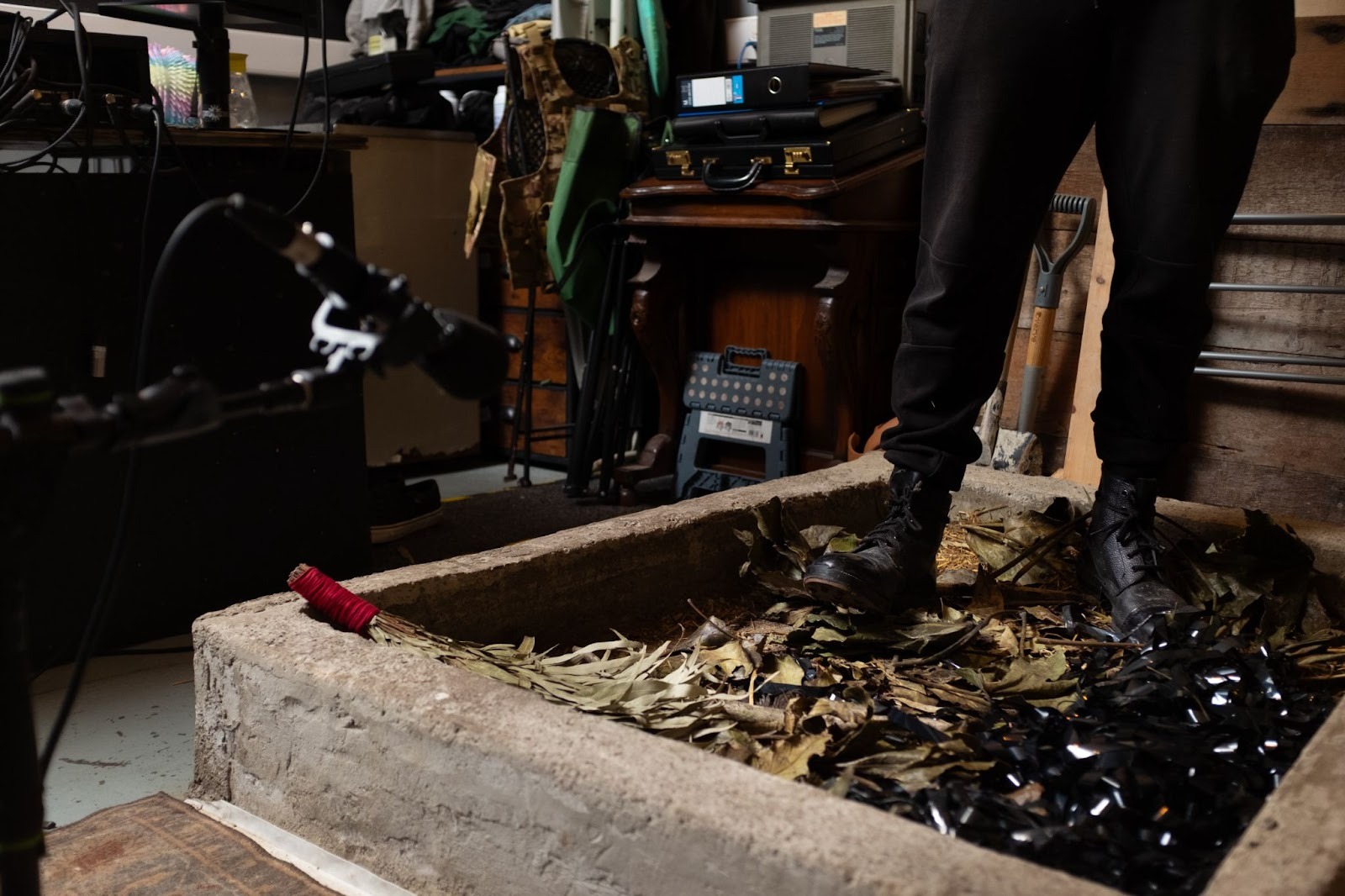
Sound Design Training Paths: University, Independent, or Hybrid
Aspiring sound designers typically learn through one of three paths. Each route can lead to professional work, but they differ significantly in cost, pacing, flexibility, mentorship access, and how quickly portfolio material can be built and reviewed.
University-Linked Degree Programmes
University of Southern California (USC) – Los Angeles, United States
USC offers degree-level sound and film programmes with strong academic grounding and access to large-scale film production environments. Students benefit from long-form study, campus facilities and exposure to traditional film and television pipelines. This route suits learners seeking a formal degree, extended theory, and a university-based creative network, though it requires a significant time and financial commitment before portfolio material is fully production-ready.
National Film and Television School (NFTS) – Beaconsfield, United Kingdom
NFTS is known for specialist postgraduate training in film and television, including sound-focused disciplines. Entry is highly competitive, with limited places and a rigorous selection process that favours applicants who already demonstrate strong creative ability and production experience. Courses emphasise collaboration on student films, structured production workflows, and close alignment with the UK film industry. This path suits learners targeting high-end film and broadcast careers who are prepared for intense, full-time study and the pressure of competing for a small number of places.
University of Surrey – Guildford, United Kingdom
The University of Surrey offers audio and music technology degrees with a balance of technical theory, research and practical studio work. Students develop a broad understanding of audio systems, acoustics and production techniques. This route is suitable for learners interested in both creative and technical audio roles, though portfolio-driven sound design work often develops later in the programme.
Bournemouth University – Bournemouth, United Kingdom
Bournemouth University delivers media and film-related degrees with strong links to television and post-production industries. Sound design training is typically embedded within broader film or media courses. This option suits students who want a structured academic environment with exposure to screen production, but who are comfortable building specialist sound portfolios alongside wider coursework.
University of Salford – Salford, Greater Manchester, United Kingdom
The University of Salford offers audio and media technology degrees with access to professional-style studios and broadcast facilities. Courses combine technical instruction with creative projects across audio disciplines. This pathway works for learners seeking a recognised degree and a broad audio foundation, with sound design skills developing over the duration of the programme.
Independent Creative Audio Schools
Point Blank Music School – London, United Kingdom
Point Blank delivers short-cycle creative audio courses covering music production, sound design and post-production fundamentals. Training is practical and DAW-focused, with projects introduced early. This route suits learners who want hands-on experience quickly, though sound design for film, TV or games may require additional specialist focus depending on the course selected.
Spirit Studios – Manchester, United Kingdom
Spirit Studios offers vocational audio training with an emphasis on studio practice, engineering fundamentals, and production workflows. Courses are shorter than university degrees and focus on practical skill development within an educational studio environment. Training takes place in a purpose-built teaching studio rather than an active commercial post-production facility, which makes this option well suited to learners seeking structured, in-person instruction and foundational audio skills within a condensed timeframe.
SAE Institute – London, United Kingdom
SAE Institute offers globally recognised audio and media courses with a strong emphasis on studio workflows and technical skills. Programmes are vocational and project-based, designed to introduce practical production experience earlier than traditional degrees. This route suits learners seeking structured audio training with an international education brand.
dBs Institute – Bristol, United Kingdom
dBs Institute delivers specialist audio education focused on music, sound and production technologies. Courses are practical and skills-driven, often appealing to learners who want hands-on studio access and structured assignments. Sound design students may supplement this training with portfolio-specific post-production projects depending on career goals.
Hybrid Mentor-Driven Training
Audio Post Essentials – 344 Academy (Manchester, United Kingdom)
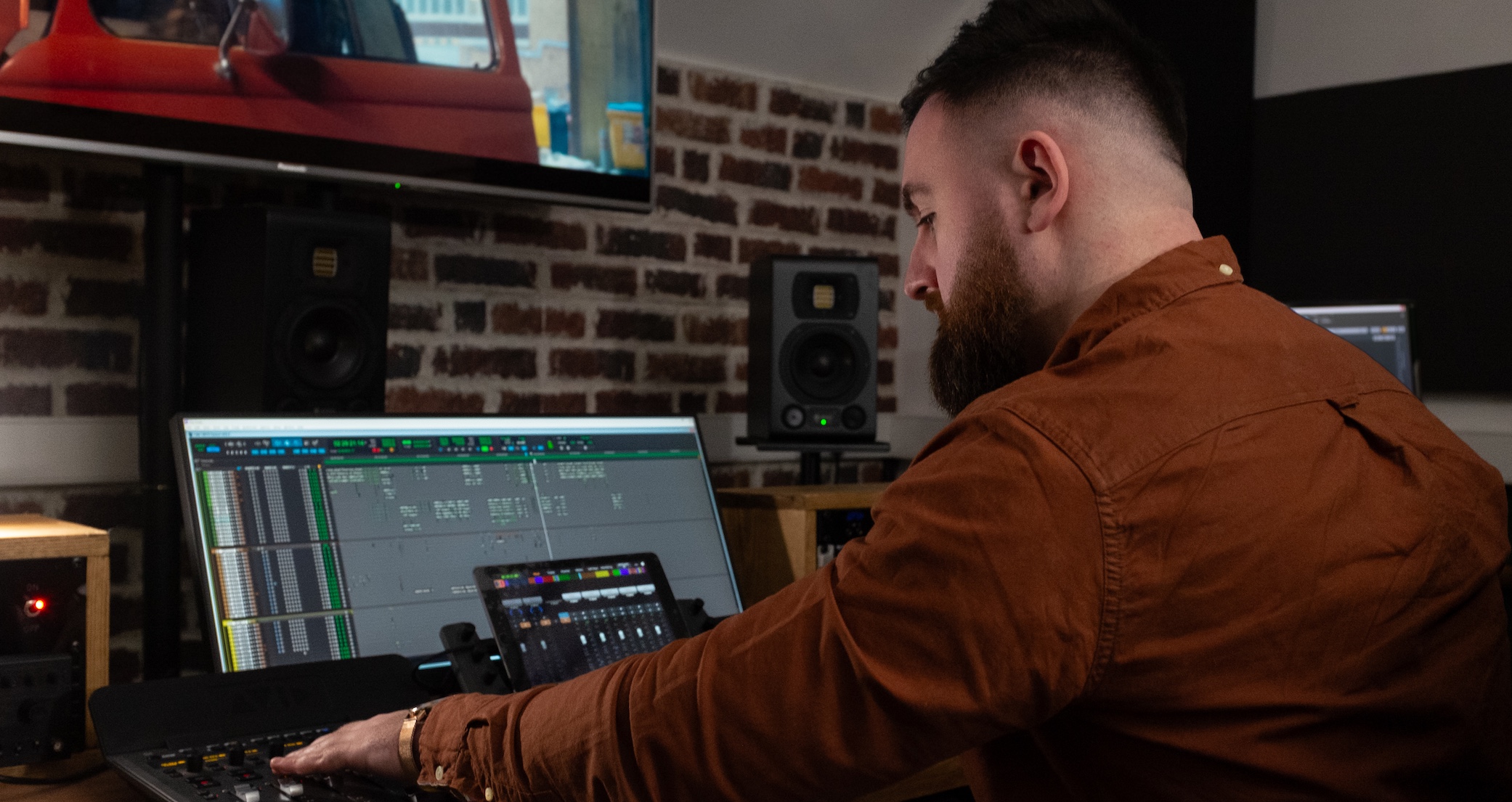
Audio Post Essentials at 344 Academy is a short-cycle, mentor-guided programme designed specifically for learners who want to enter or advance in audio post production and sound design without committing to multi-year academic study. Training is delivered inside a working studio system, with students learning directly from industry professionals actively working on real productions.
The course focuses on early practical work, disciplined revision workflows and portfolio-first outcomes. Students receive structured mentor critique, work in calibrated listening environments, and complete sound editorial and design projects that reflect real film, television, advertising and game audio post expectations.
This pathway suits learners who want:
- Faster entry into practical sound design work
- Direct feedback from working professionals
- Clear revision discipline and delivery habits
- A defendable portfolio aligned with real hiring standards
Rather than sitting alongside university or independent study, Audio Post Essentials is positioned as a more effective alternative for learning sound design and audio post production. The course provides practical, career-relevant training delivered from a working professional studio facility, giving students exposure to real-world production standards and workflows.
Students learn directly from working industry professionals who are actively delivering commercial projects, rather than from purely academic instructors. This mentor-driven approach allows learners to develop skills faster, gain real-world insight, and progress into professional work without the time, cost, or academic overhead, and debt typically associated with university education.
Each of these paths can lead to a career in sound design. The right choice depends on the medium you want to work in, how quickly you need practical skills, the level of mentorship you value, and how you prefer to build a portfolio that demonstrates real-world competence.
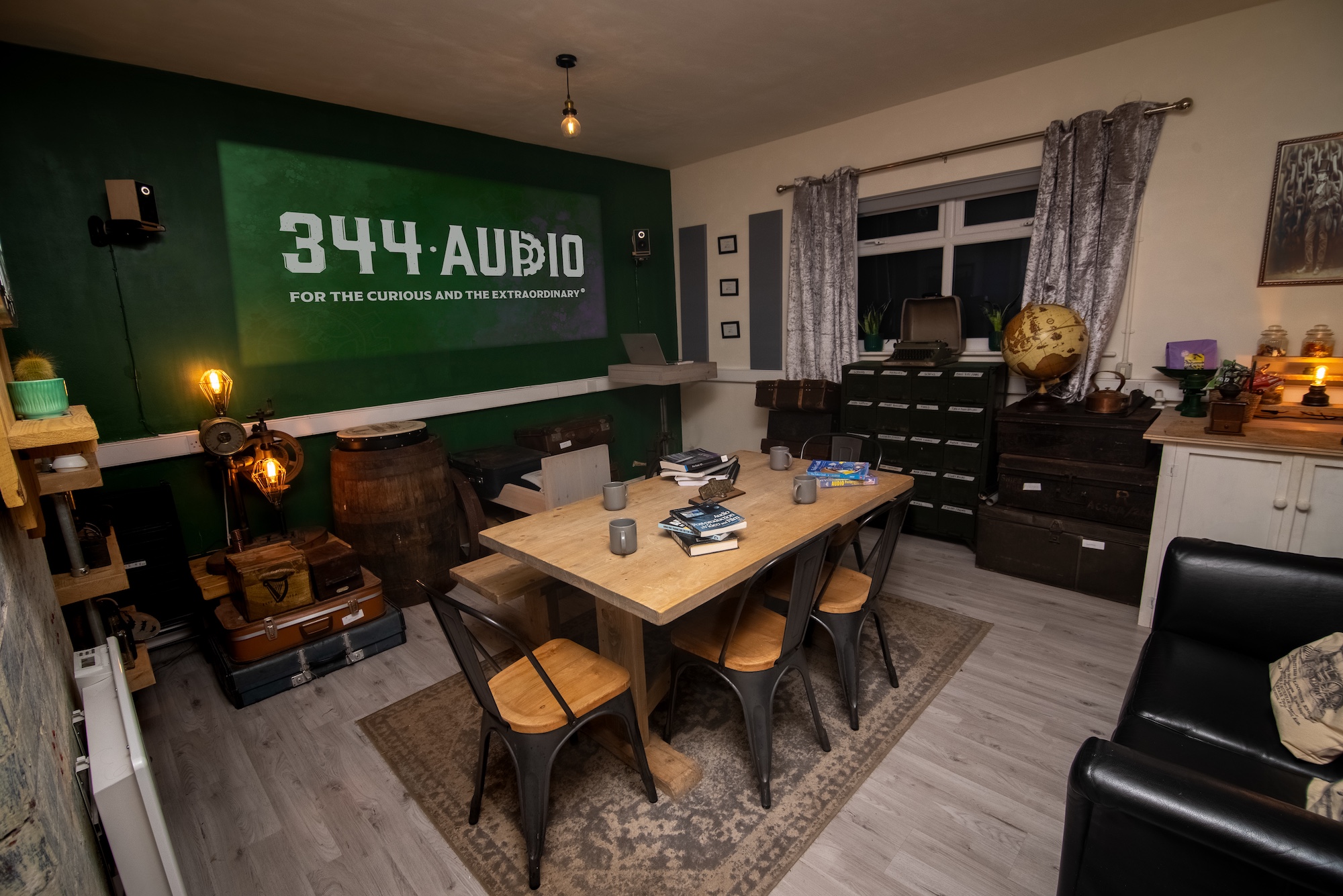
Where 344 Academy’s Audio Post Essentials Course Fits
The Audio Post Essentials course is a fast-track, mentor-led sound design and audio post training programme, built as a practical alternative to multi-year university degrees. Instead of academic theory or classroom-based teaching, students learn directly from working industry professionals through real-world projects, structured feedback, and hands-on production workflows.
Training remains affordable because it is delivered inside a working studio pipeline with fixed modules and direct tuition hours instead of extended academic semesters. With over a 90% employment rate amongst graduates, most transition into paid audio post or sound editorial roles shortly after completion, supported by ongoing feedback from the 344 Academy community and mentors.
By the end of the programme, students can make sound decisions with confidence, organise files using clear naming systems, manage revisions without ambiguity, and deliver mix stems and exports predictably, following the same expectations applied in film, television, advertising and game audio post environments.
The course focuses on:
- Early hands-on training using Pro Tools, taught by an Avid-certified instructor
- Dialogue editing, restoration, and noise-repair fundamentals
- Foley and SFX layering with timing and texture judgement
- Stereo, surround, and immersive mix awareness
- Version control, revision discipline, and file clarity
- Working-studio mentorship from active industry professionals
- Portfolio-first projects reviewed through structured feedback
- Flexible attendance around jobs, families, and freelance work
- Communication habits expected in professional post collaboration
- Business acumen, inside industry knowledge, and clear career pathways
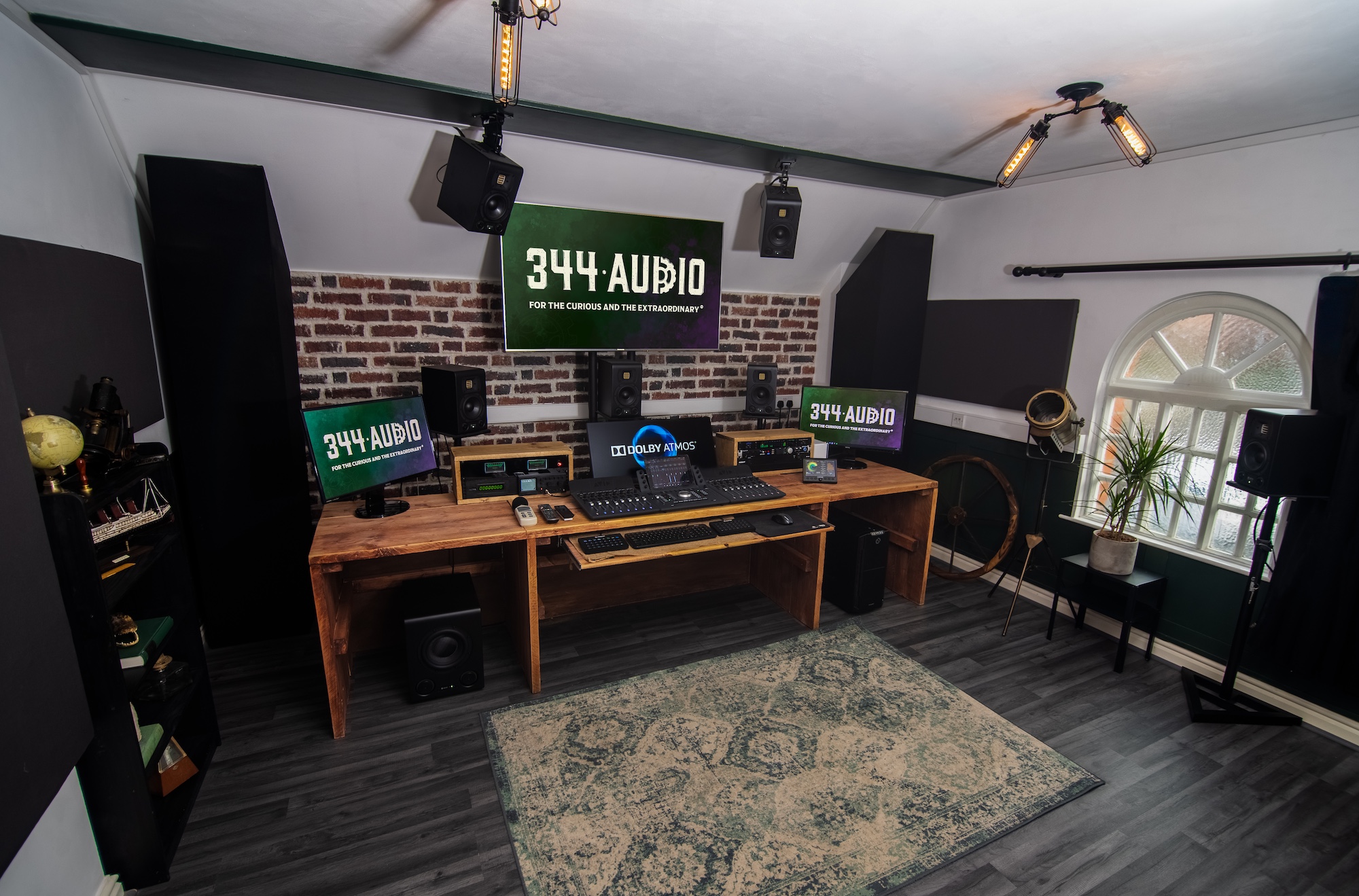
The sound design course can be completed either in person at 344 Academy’s state-of-the-art facilities in Manchester, UK, or remotely via Zoom, making it highly flexible around existing commitments such as jobs and families. Lessons are recorded, allowing students who cannot attend live to stay up to speed while still benefiting from one-to-one mentorship between sessions.

344 Academy Reviews
Student feedback consistently highlights practical training, mentorship from working professionals, and clear career outcomes in audio post-production and sound design.
Thomas Dornan
“A little while after finishing the course, I got a role at Formosa Group in London. It’s been a solid step toward working in audio post, and a reminder that with the right support and some persistence, real progress is possible.”
Thomas joined Audio Post Essentials to transition from boom operating on film sets into audio post-production. After completing the course, he won the 344 Academy sound design competition and secured a role at Formosa Group, one of the world’s leading audio post-production studios.
Benni Bennett
“The course helped me connect the dots between my musical background and the world of game audio. It gave me the structure, skills, and confidence to step into a professional environment, and actually contribute something meaningful.”
Benni entered the course with a strong creative background and a clear interest in game audio. Shortly after completing the programme, she worked on a AAA video game project with 344 Audio and progressed into a sound assistant role, contributing original SFX libraries using traditional Japanese instruments. She later secured a role at Soundcuts, continuing her professional development within a leading audio post-production studio.
Celine Woodburn
“I learned so many techniques on how to perform, and watching Pete work was brilliant. The community that came from it has been amazing.”
After completing Audio Post Essentials and returning for the Creative Foley Workshop, Celine developed confidence in Foley performance and sound editorial. She later secured a role at PitStop Productions, progressing from freelance sound creation into a full-time professional audio post-production role.
Amrita Singh
“The APE course taught me dialogue editing, SFX layering, Foley, sound design and mixing. It removed my fear of the technical side of Pro Tools and gave me confidence to pursue creative audio work.”
Amrita credits the course with strengthening her technical skills while allowing her to focus on creative decision-making, helping her transition into professional audio post workflows with confidence.
Dionysios Tanteles
“My skills improved dramatically thanks to strong mentor engagement and access to excellent studio facilities and resources.”
Dionysios highlights the value of direct mentor feedback and professional studio environments, reinforcing the course’s focus on practical learning, listening judgement, and real-world production standards.
How to Choose the Best Sound Design Course
Choosing the right sound design course is easier when you break it down and focus on the work it helps you produce, rather than how long it takes to complete. Start with what you want to do and where you want to work.
If your goal is film and TV audio post, look for courses that build strong dialogue clarity, Foley timing, layered effects and a believable sense of space. If you’re aiming for games, prioritise programmes that introduce adaptive sound principles, naming discipline and engine-ready exports. Commercial sound training should prepare you for fast feedback, organised revisions and accurate delivery.
More broadly, the strongest sound design courses share a few common traits. They are taught by working industry professionals, focus on hands-on, practical experience, and help you build a solid portfolio that reflects real production standards. They also offer exposure to industry workflows, connections, and guidance that helps you reach your learning goals efficiently, so you can start working on the projects you actually want to be part of.
Hands-on tasks matter because sound careers are always example-led. A good programme gives you projects you can showcase and mentors who challenge your judgement rather than replace it. Cost and duration are real factors too. Degrees remain credible, but they are not the only credible starting point, especially when you need practical skills early and a portfolio you can confidently defend in interviews or on paid work.
The strongest courses are clear about feedback, repetition, revisions and delivery. They prepare you to work with real production notes, communicate without confusion, and export work predictably and correctly.
A Simple Truth About Learning Sound Design
Sound designers build the work, and the work builds the career. In audio post and game sound, opportunities come from showing what you can do, how clearly you revise, and how reliably you deliver. Students who learn production-style feedback, file discipline, listening judgement, and clean delivery early are the ones who transition into professional environments with fewer barriers and more confidence.
Final Thoughts
There is no single best sound design course for everyone. The right choice depends on you as an individual, your goals, the medium you want to work in, how quickly you want to progress, and the type of learning environment that suits you best. Some people benefit from longer academic study, while others prefer hands-on, mentor-led training that focuses on real-world workflows and portfolio development.
If you’re exploring your options and want guidance on whether a fast-track, industry-led approach is right for you, you can book a call with the 344 Academy education team to discuss your goals and see if the Audio Post Essentials course is a good fit.